Riot’s Space Gods retrospective explains why Teamfight Tactics Set 17 felt safer and more constrained than intended. The set moved forward on a shorter schedule to protect the Unreal Engine migration planned for Set 18, and that trade-off shaped its mechanic, roster, mobile memory budget and Augment depth.
The useful takeaway is not a late-patch tier list. It is a six-part design map for what Riot wants to improve after Space Gods: more development time, bolder mechanics, clearer comeback tools, healthier roster structure, fewer closed team-composition paths and stronger set-specific Augments at launch.
1. Space Gods moved up to protect the Unreal migration
The official TFT Space Gods review says the set was once planned as Set 18. Riot changed the order so the Unreal migration could remain tied to Set 18, which made Space Gods Set 17 and gave it a notably accelerated development timeline.
That context matters because Riot connects several later compromises to time: the Realm of the Gods lost its most ambitious form, God Offerings and Boons used design resources that could have gone to Augments, and the team had less room to solve balance and roster problems before launch.
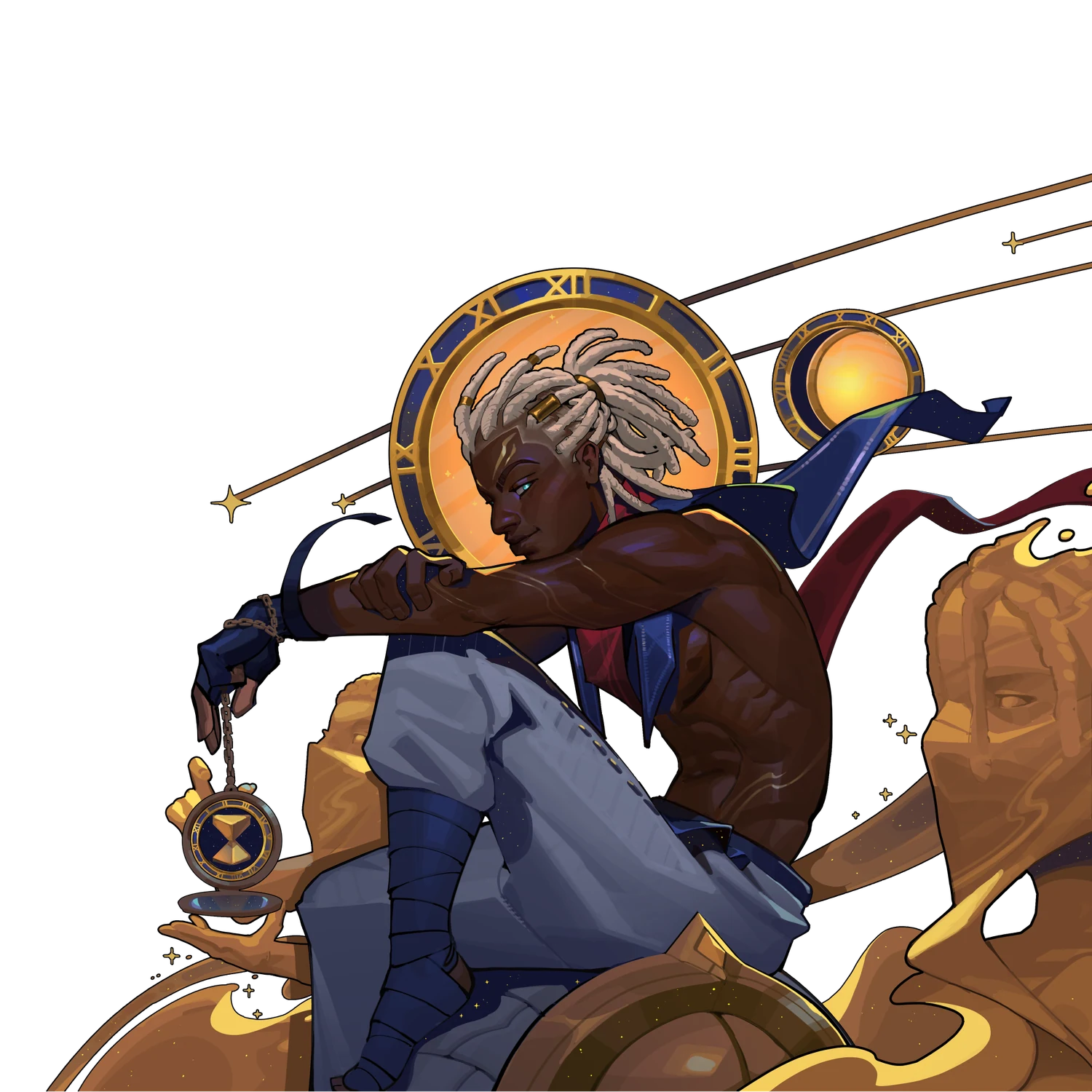
2. The Realm of the Gods became too safe
An early version could have changed Augment distribution, item distribution from PvE rounds and other core systems. Riot cut that broader design and shipped the safer Offerings-and-Boons version.
The team limited God Offerings to no more than eight gold of power to control inflation. That made balance safer but narrowed the range of interesting rewards. Tying Offerings to item components added another decision, yet Riot concluded that this often felt burdensome instead of exciting.
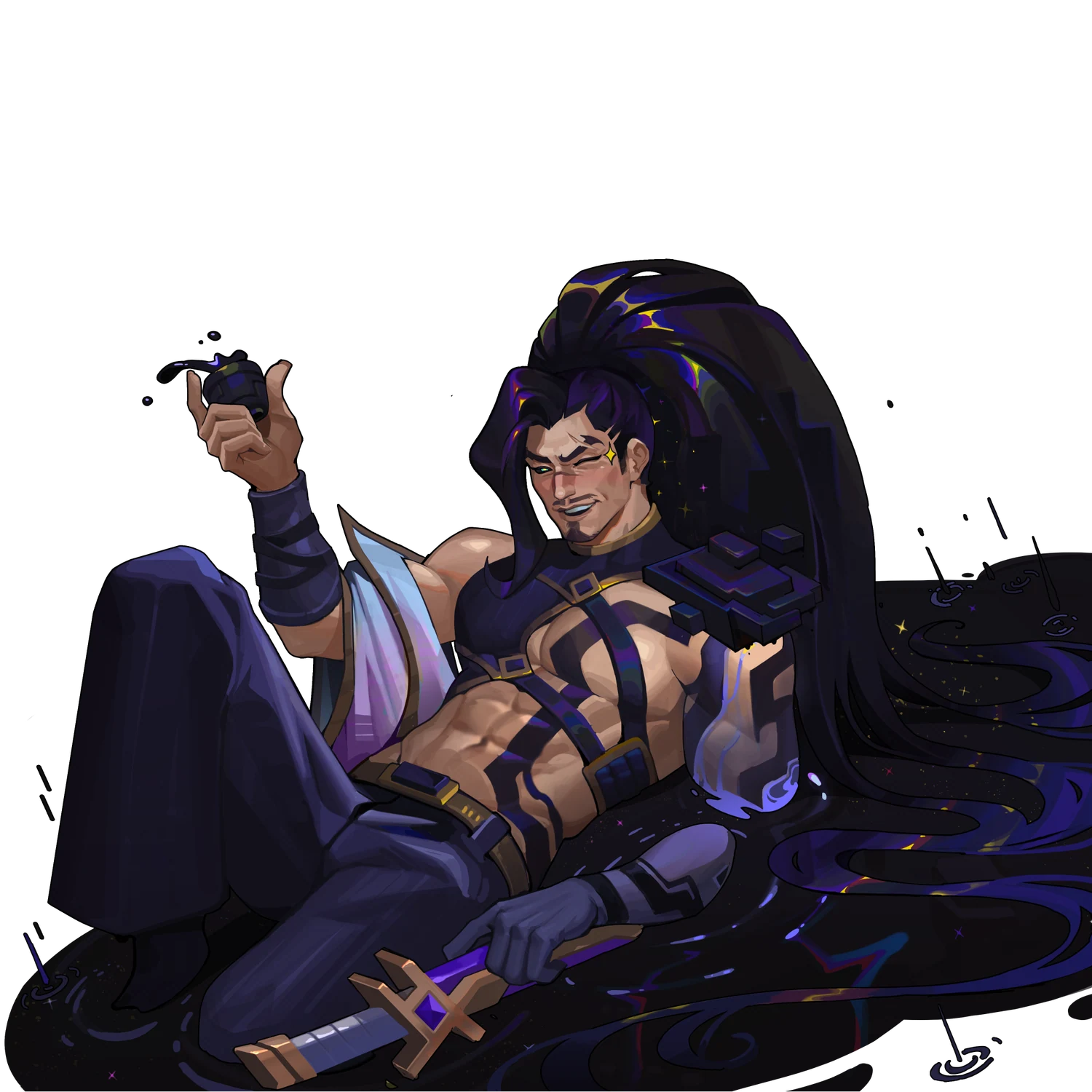
3. Mobile memory limits affected visual quality
The Gods placed a substantial load on the memory budget for mobile devices. Riot says the team lowered the quality of elements such as idle animations so the Gods could fit within an engine that was not originally made for mobile.
This is especially relevant to TFT Mobile players: the visual compromise was a resource-budget decision, not evidence that a phone setting or account option was configured incorrectly. Riot expects the engine migration to support more efficient memory budgeting, but the post does not promise a device-specific frame rate or launch-day performance gain.
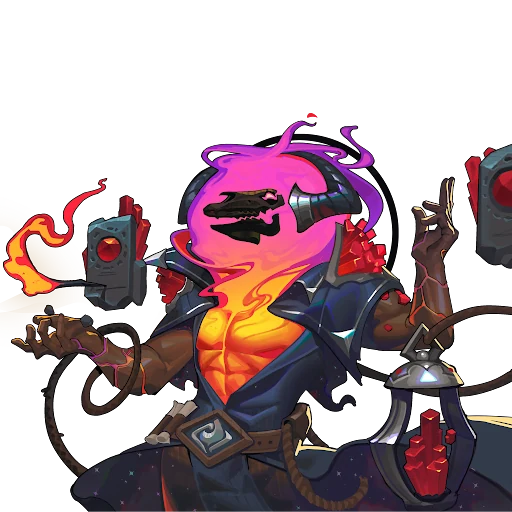
4. Carousel was both a comeback tool and a social space
Removing Carousel was not the original inspiration for Space Gods. It happened because Riot needed a place for the Realm of the Gods. The experiment revealed two losses.
- Placement-based bonus loot was less visible than physically choosing from Carousel options, so the comeback mechanic felt weaker.
- Players lost a shared moment built around item choices, backup plans, emotes and the tension of another player taking an item.
Riot says Carousel is important and that later changes are planned to increase player agency and control. It does not give a release date for those changes.
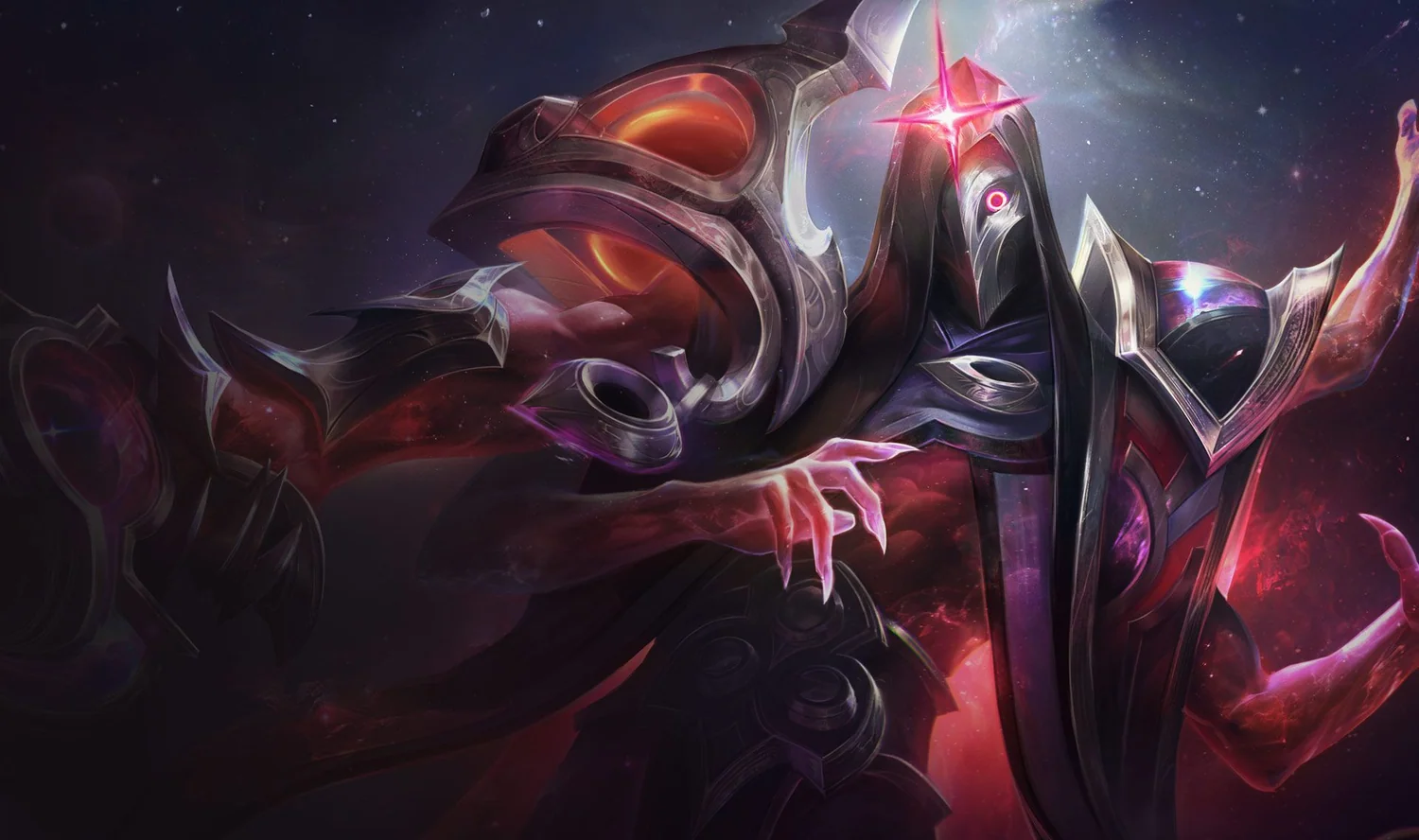
5. Standard roster size exposed vertical and tank problems
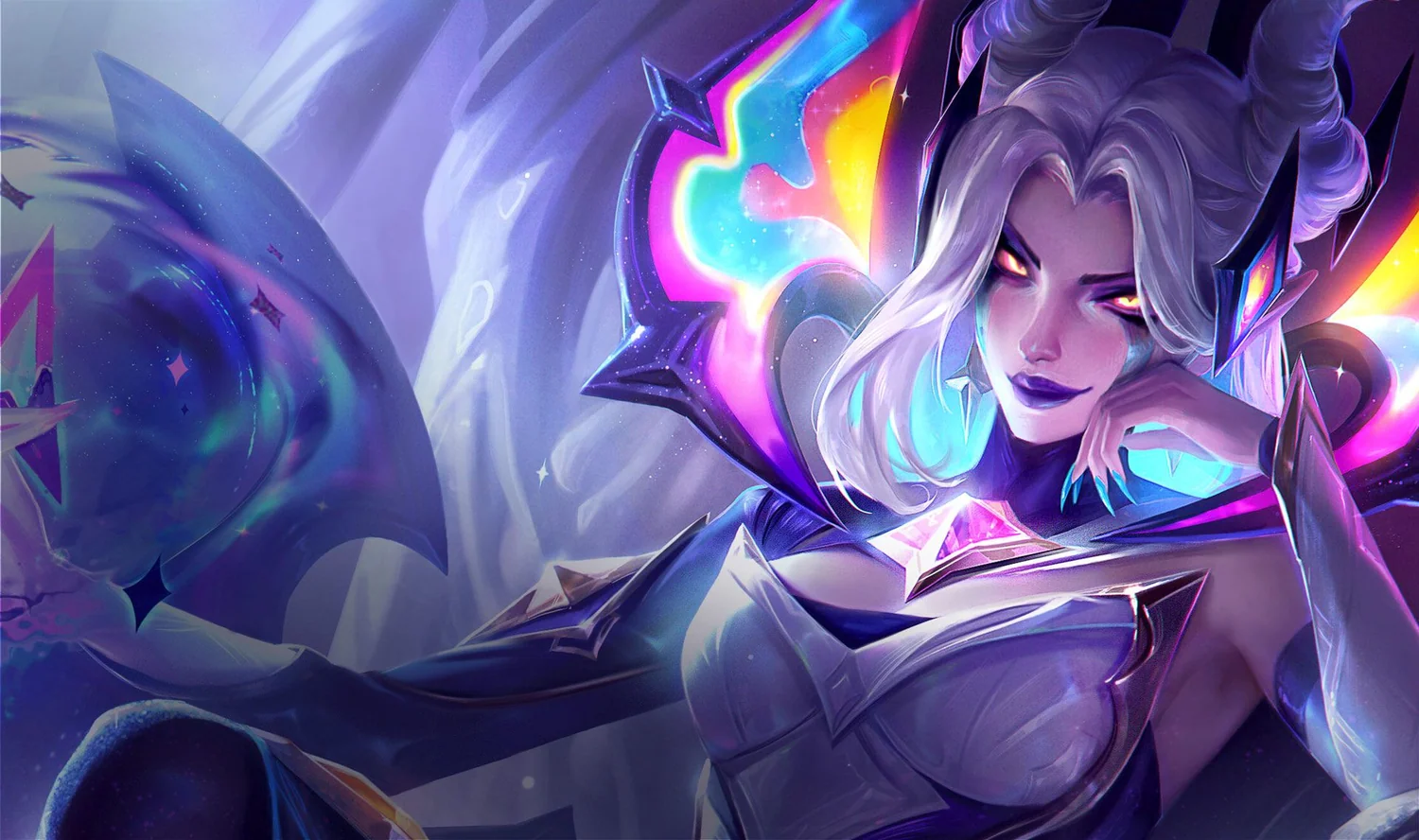
After the 100-unit Lore & Legends roster, Space Gods returned to a standard-sized pool. Riot flattened many traits to support flexible play, but that made simple vertical compositions harder for new and casual players to read.
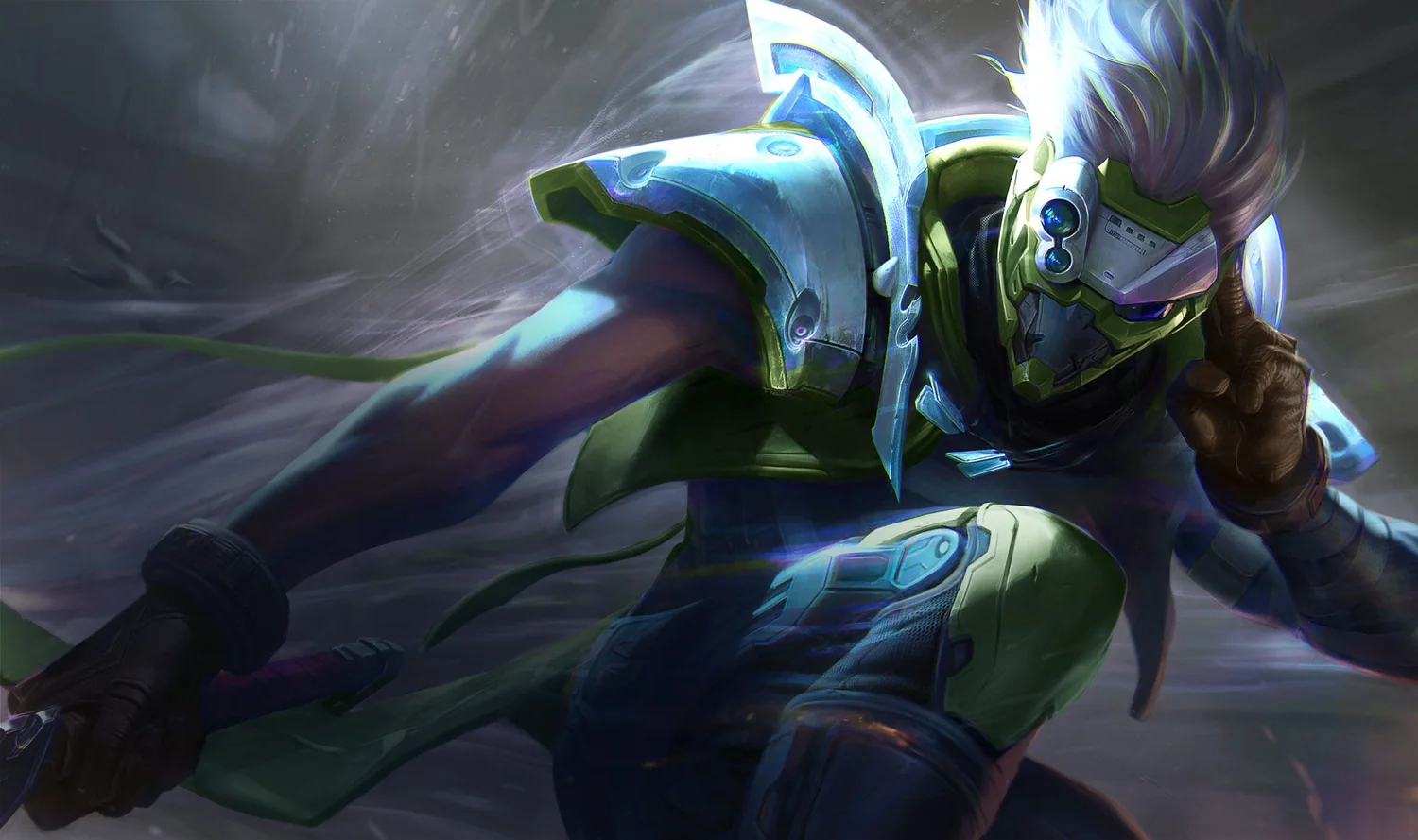
Some top trait breakpoints also depended on hard-to-find five-cost units. Riot points to Jhin for Dark Star and Blitzcrank for Space Groove as examples where a player could manage economy well and still miss the final piece. At the same time, an early shortage of strong tanks made the front line feel repetitive.
6. Conditional comps and late Augments closed too many paths
Riot distinguishes exciting conditions from restrictive ones. A special build can create variety when it opens an unusual route, but too many conditional traits can make the shop, items and Augments close viable paths before a player has a useful alternative.
Space Gods also launched without the desired depth of set-specific Augments because those resources had gone into Offerings and Boons. Riot’s stated goal is to ship stronger Champion and trait-linked Augments on day one so players have clearer direction and fantasy from the start.
What these lessons mean for the next TFT sets
Riot’s review supports directional expectations, not a complete roadmap. Carousel is important and will receive future work; pings are being redesigned after the PC minimap is removed; the team wants better memory budgeting after the engine migration; and set-specific Augments should arrive earlier.
It does not confirm exact dates for the Carousel or ping changes, guarantee performance on a particular phone, or identify every mechanic planned after Enchanted Wilds.
Playing the set does not require a top-up
The developer review does not say that these systems, lessons or future changes require a purchase. If you independently decide to add value to your own Malaysian TFT Mobile account while playing, verify the account details shown at checkout before using the Teamfight Tactics Mobile Malaysia top-up page. That optional action is separate from access to the review or its gameplay information.